
What is an altarpiece?
An altarpiece is a construction – generally made of wood – usually located behind the altar. However, sometimes they are also part of side chapels. The cristian tradition of painting scenes from the Bible on church walls to illustrate and teach the faithful evolved from the 15th century onwards into monuments which incorporate architectonic marks. The shape or typology of the altarpieces can give us clues about the time they were painted as they adapted to the aesthetic tastes and artistic styles of each epoch. Below, there are the most common types of Biscay structured by their age:
TRIPTYCHS AND POLYPTYCHS
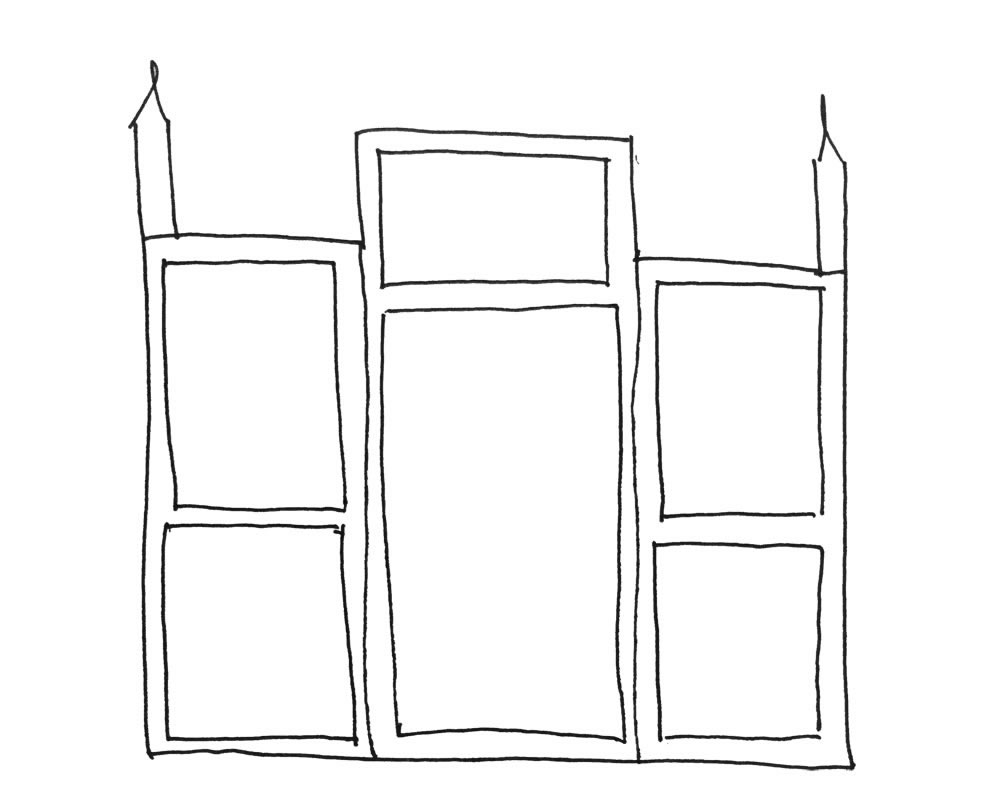
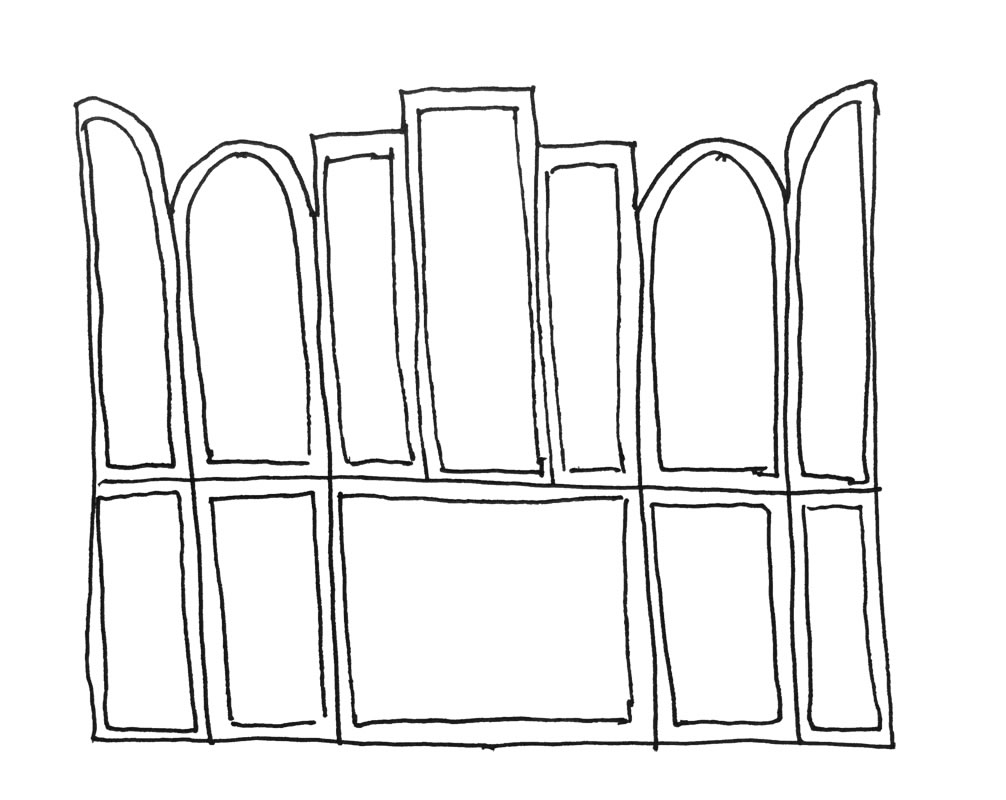
These are the oldest altarpieces – between 1400 and 1550 – and represent the gothic period.
They consist of three (triptych) or more (polyptych) wings that can be fixed or foldable with side doors and are decorated with panels or sculptures.
ALTARPIECE “CASILLERO”
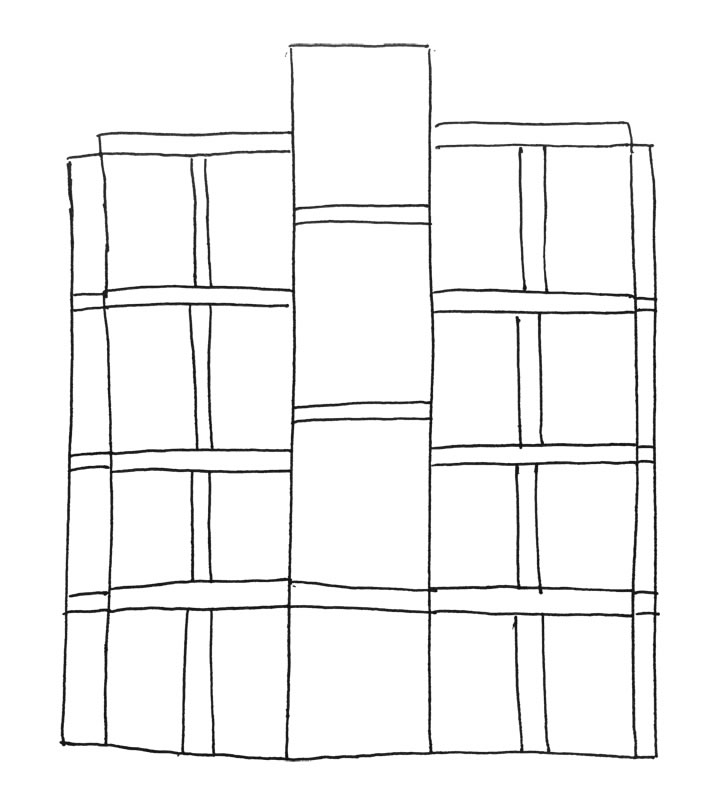
They became common in the 1500s and were used during the entire Renaissance.
These altarpieces consist of “casillas” (small boxes). These are small rectangular chambers where the paintings or sculptures are inserted as they formed a strip cartoon.
ALTARPIECE FAÇADE STYLE
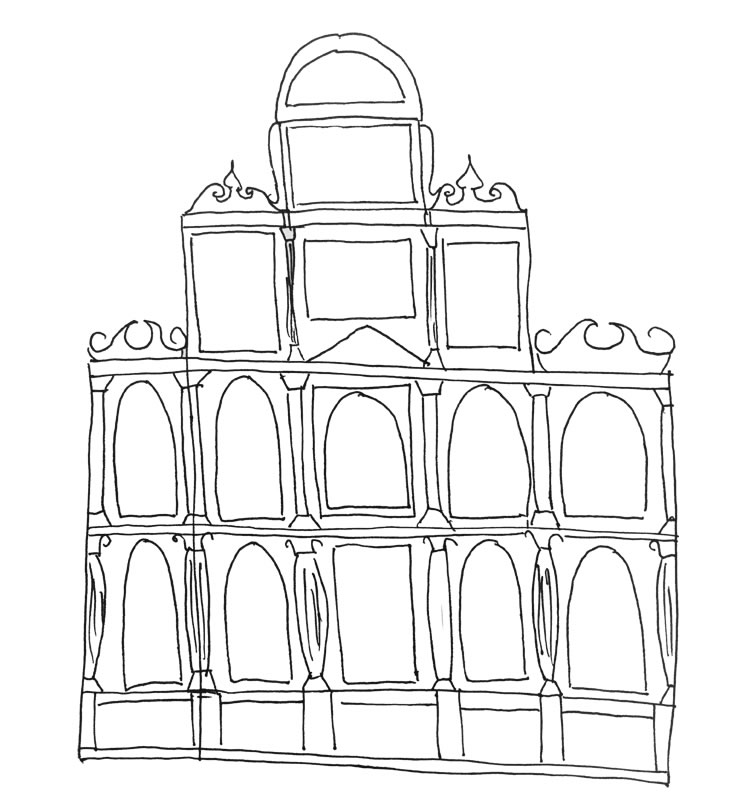
They first became common at about 1550 and continued to be built until at least 1660. That’s why some of the altarpieces are painted in a renaissance and others in a baroque style.
The most notable feature of these altarpieces is that they copy architectural shapes, mainly columns and gable roof. The sculptures usually occupy hollows or niches between the columns.
ALTARPIECE EGGSHELL
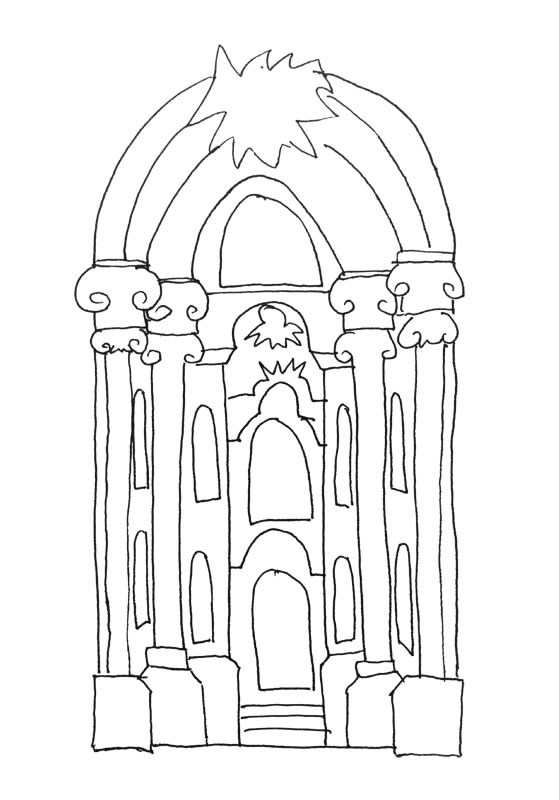
They can also be called niche or hollow altarpieces, or exedra. They were very typical during the Baroque era, in particular from 1740 onwards.
These altarpieces adapt the curved shape of the apses of churches. They are called eggshell, because of the characteristic shape of their upper part which looks like an eggshell.
ALTARPIECE SINGLE BODY
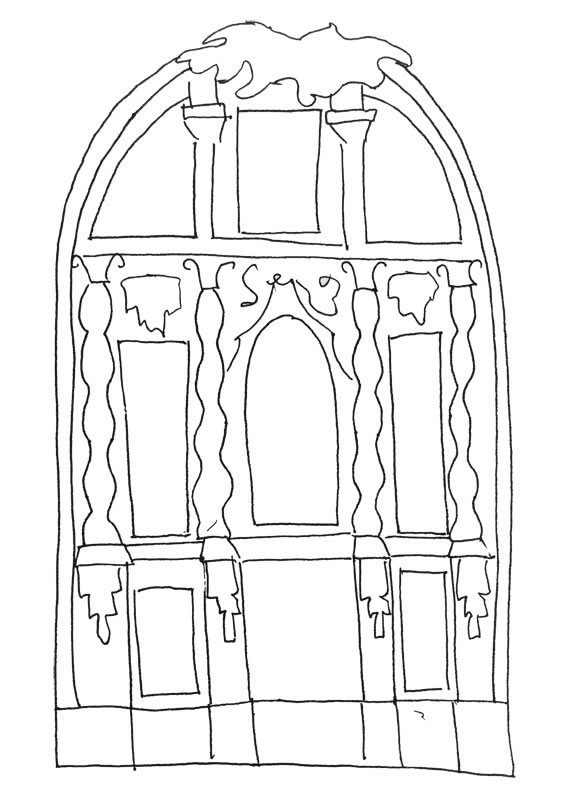
These altarpieces are the simplest ones. That’s why they were used until 1700 mainly in side chapels. When the neoclassic style became common in Biscay, from 1777 onwards, they were then also used for high altars. At that time, they were popular particularly for their simple shapes which imitate the facades of the ancient greek and ancient roman temples.