
Triptych of the Passion (Leikeitio)
- Church: Assumption of Mary Church (Lekeitio)
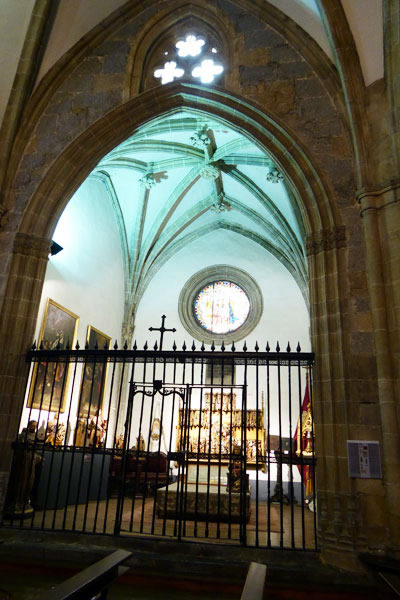
- Location: Saint Anne Chapel
- Artist: unknown
- Patron: Ibáñez de la Rentería family
- Chronology: 15th century (1494-1500)
- Style: Gothic
Spanish-Flemish elements from Bruges for one of the oldest altarpieces in the Basque region
Interactive altarpiece: click on the pictures to get more information.
Church:
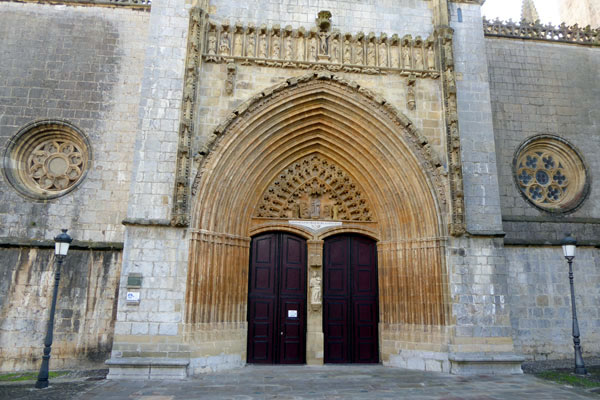
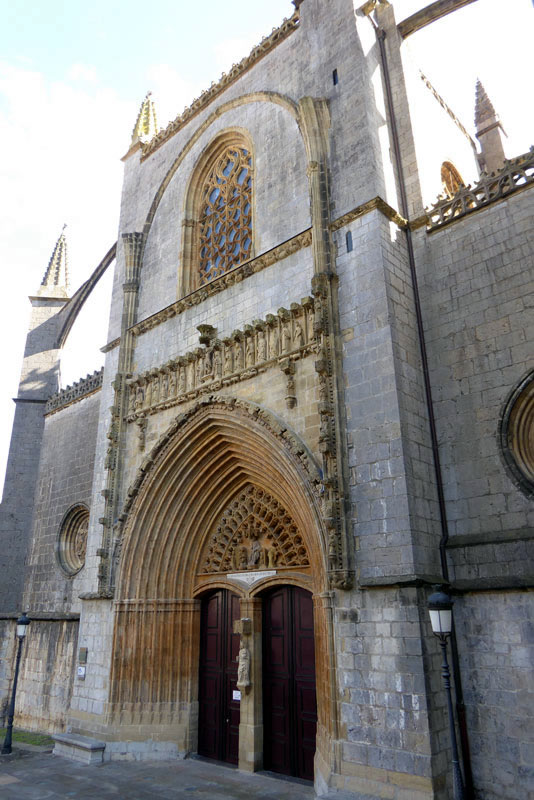
The Saint Mary Church was built in the 15th century and replaced an older building. It is a gothic church, which stands out in the town of Lekeitio due to its size and location in the middle of the bay, next to the port. The church has a beautiful 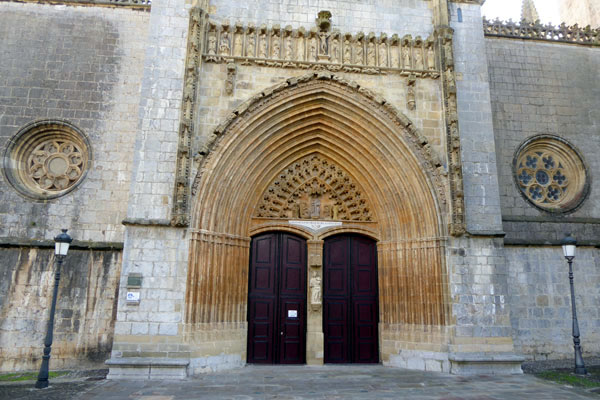
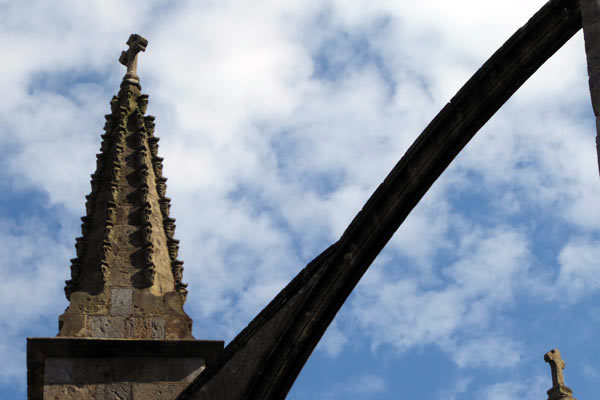
Over the centuries, this church has undergone numerous extensions and modifications; as a result, the exterior features slender 
Patronage:
The Passion of Christ is the christian term, which describes what happened to Jesus between the last supper, his crucifixion and his death. However, sometimes the report also contains his burial and Resurrection.
It refers to the suffering of Christ, which include mockeries and tortures: he was whipped, tied up to a column, crowned with thorns, forced to carry a cross through the streets of Jerusalem to mount Golgotha and he was finally crucified. After his death, the body was taken from the cross and laid in a tomb. The third day Jesus rose again from the dead.
Description:
The 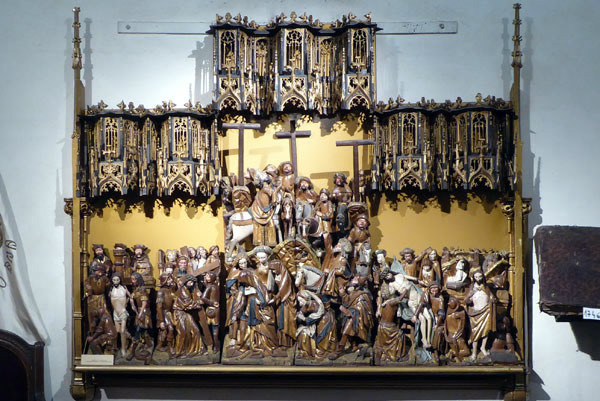
The altarpiece is an 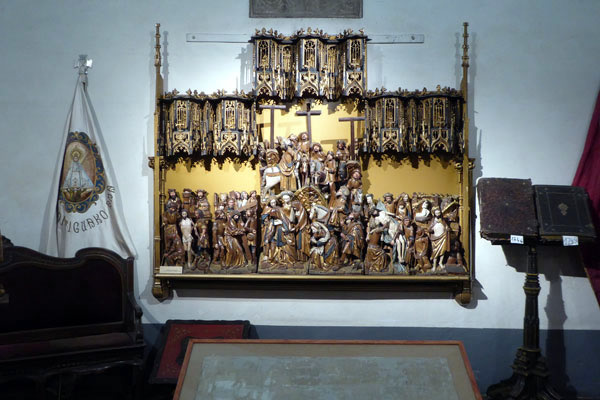
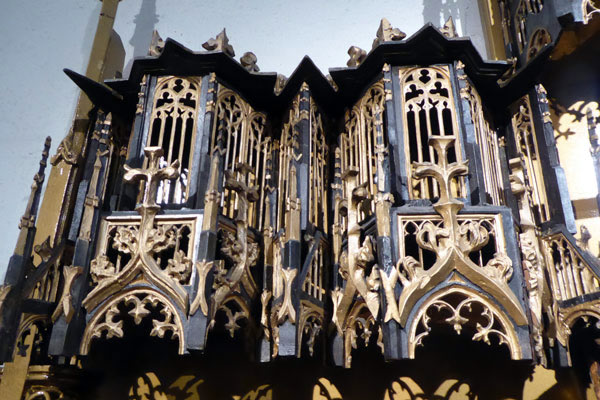


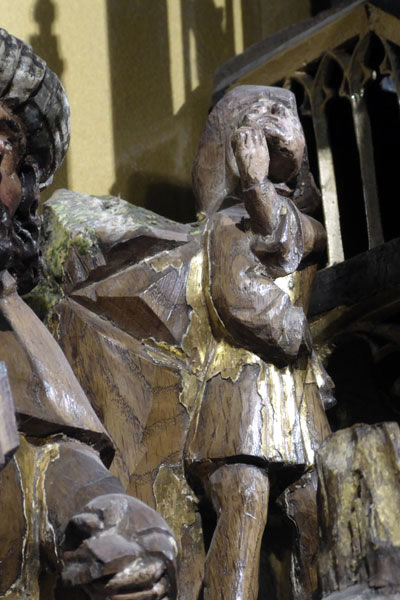
The triptych’s 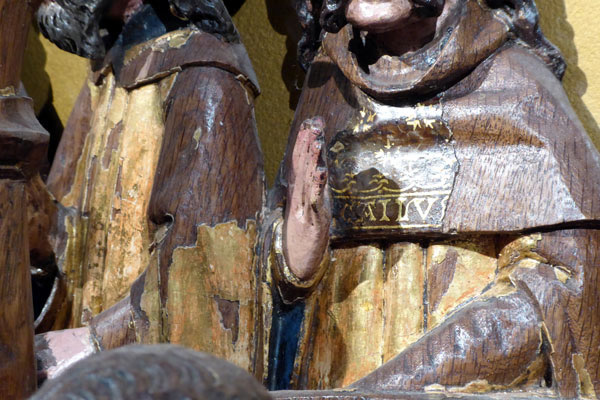

History:
The Triptych of the Pasion is a work of private devotion. Pedro Ibáñez de la Rentería, a merchant from Lekeitio, bought it in one of his many trips to Flanders (part of today’s Belgium). It was certainly bought in 1494, the same year when the construction of the private chapel for the Ibáñez de la Rentería family in in the Saint Mary church in Lekeitio was finished.
This chapel was dedicated to Saint Gregory Nazianzus, a theologian who lived in Constantinople (today’s Istanbul) in the first years of christianity and made a significant impact on the doctrine about the Most Holy Trinity. During the remodelling of the church between 1881 and 1883, the chapel was demolished and the triptych was translated to the chapel of the Vera Cruz until 1934. Later it was translated to the Saint Anne chapel, which today contains the parish museum.
In 2008, the triptych was refurbished by the “Servicio de Restauración de la Diputación Foral de Bizkaia”.
Sculptures:
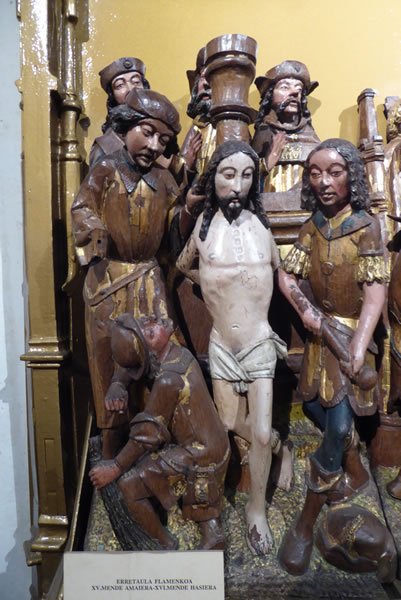
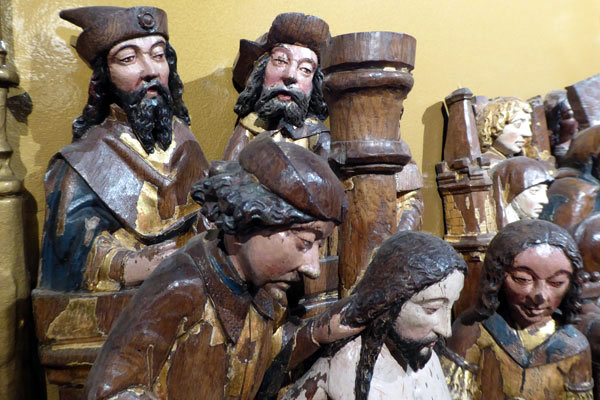
Christ tied up to a column
According to the gospels, Jesus was taken of his clothes and tied up to a column by the soldiers; they whipped and crowned him with thorns. Jesus appears in the middle of the scene while the soldiers prepare the whips.
In the background appear the members of the Sanhedrin, the assembly of the Jewish judges who convicted Jesus. The polychromy highlights the contrast between the serious facial expressions of Jesus and the gestures of the executioners.
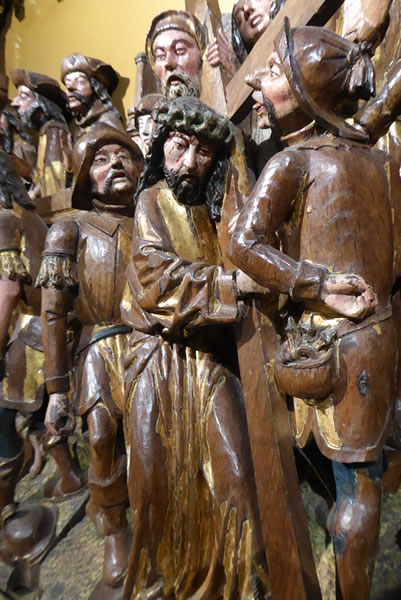
Via Crucis
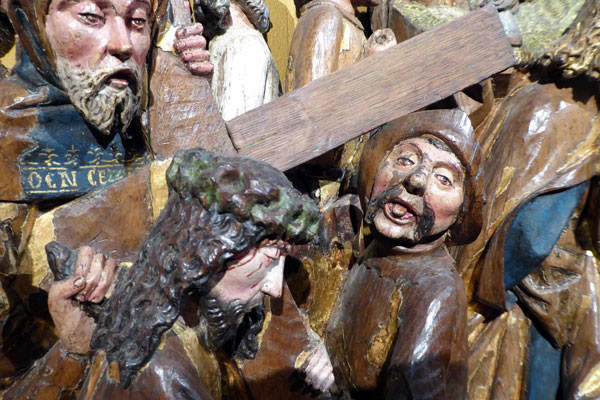
According to the gospels, before his death Jesus was forced to carry the cross through the streets of Jerusalem to mount Golgotha, where he was crucified. He was insulted by the soldiers, who are depicted next to him. In the background a crowd of people is watching the scene.
It is a relief with many details: one of the executioners carries a bag with nails and pokes his tongue out at Jesus.
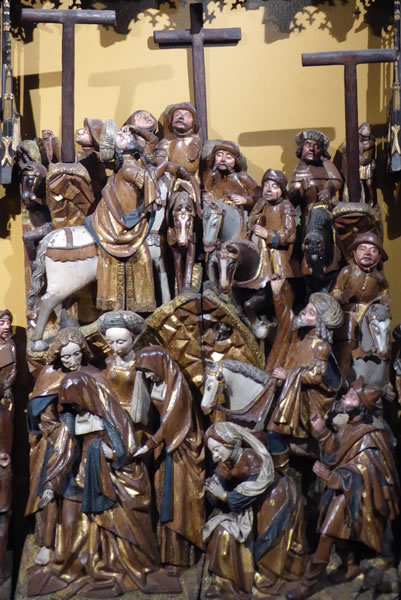
Preparation for the crucifixion
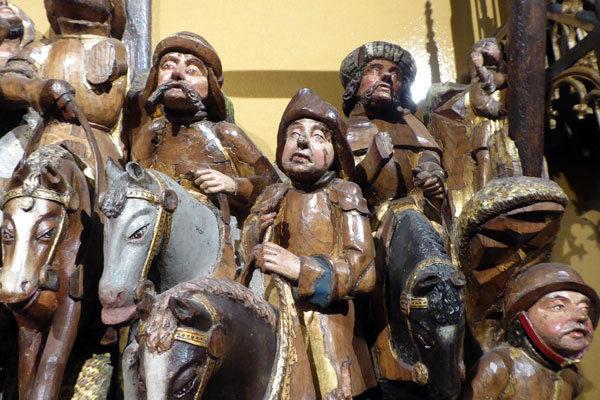
It is a very complex relief with many people who are part of the reports about the death of Jesus even though they are not mentioned in the gospels. The picture shows mount Golgotha with three crosses in the background to which Jesus Christ and two thieves will be nailed.
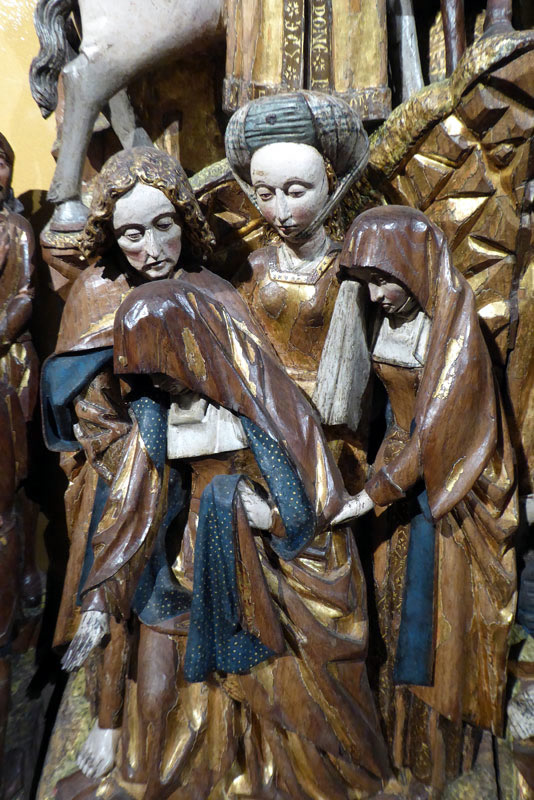
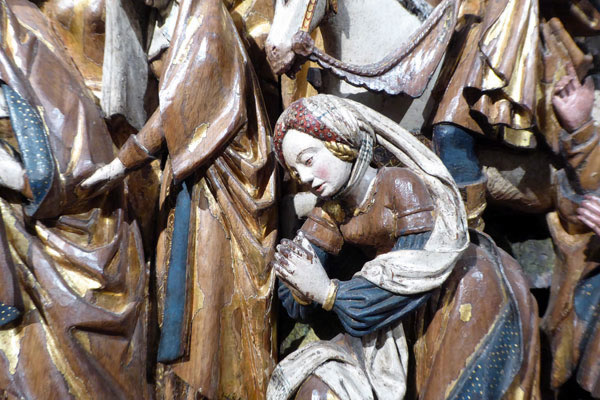
Many people went to Golgotha, walking or riding, to watch the crucifixion. In the foreground are the people, who are closest to Jesus of Nazareth. One of them is John, the disciple whom Jesus loved. He is depicted as a young man with blond hair. Next to him appear three woman, certainly Salome, Mary of Bethany and Mary Magdalene, who according to the gospels followed Jesus.
All eyes are on Mary, the mother of Jesus, who apparently does not want to see what is happening to her son.
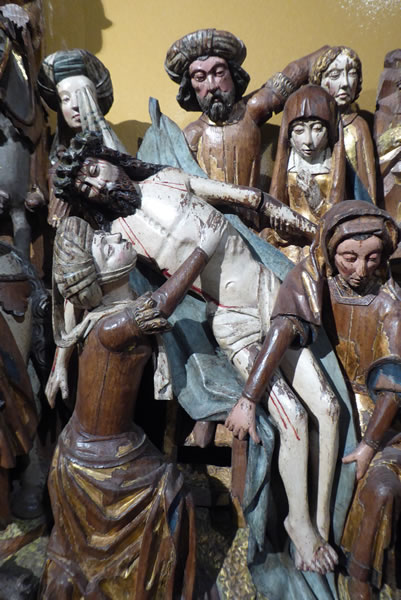
Joseph of Arimathea took the body from the cross
After the death of Jesus, Joseph of Arimathea took his body from the cross while his mother Mary and other three women, Mary Magdalene, Mary of Bethany and Salome, were watching the scene.
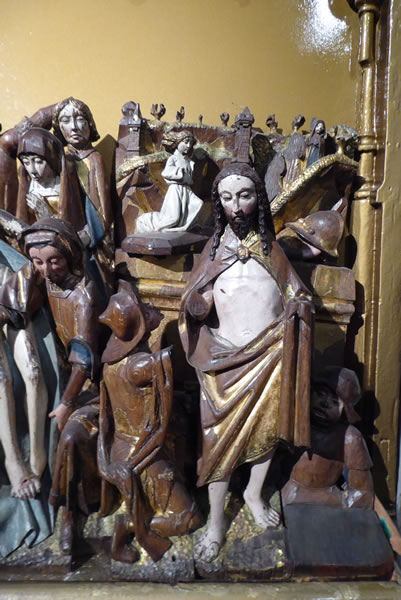
Resurrection
According to the gospels, the third day after the crucifixion Jesus rose again from the dead. He is dressed with a coat and depicted with the wounds of the crucifixion on his body while he is leaving the open tomb triumphantly.
Jesus is standing between the soldiers who guarded the tomb. In the background, three women – Salome, Mary of Bethany and Mary Magdalene – approach the tomb and find it empty, while an angel, who is kneeling down, announces them the Resurrection of Christ.